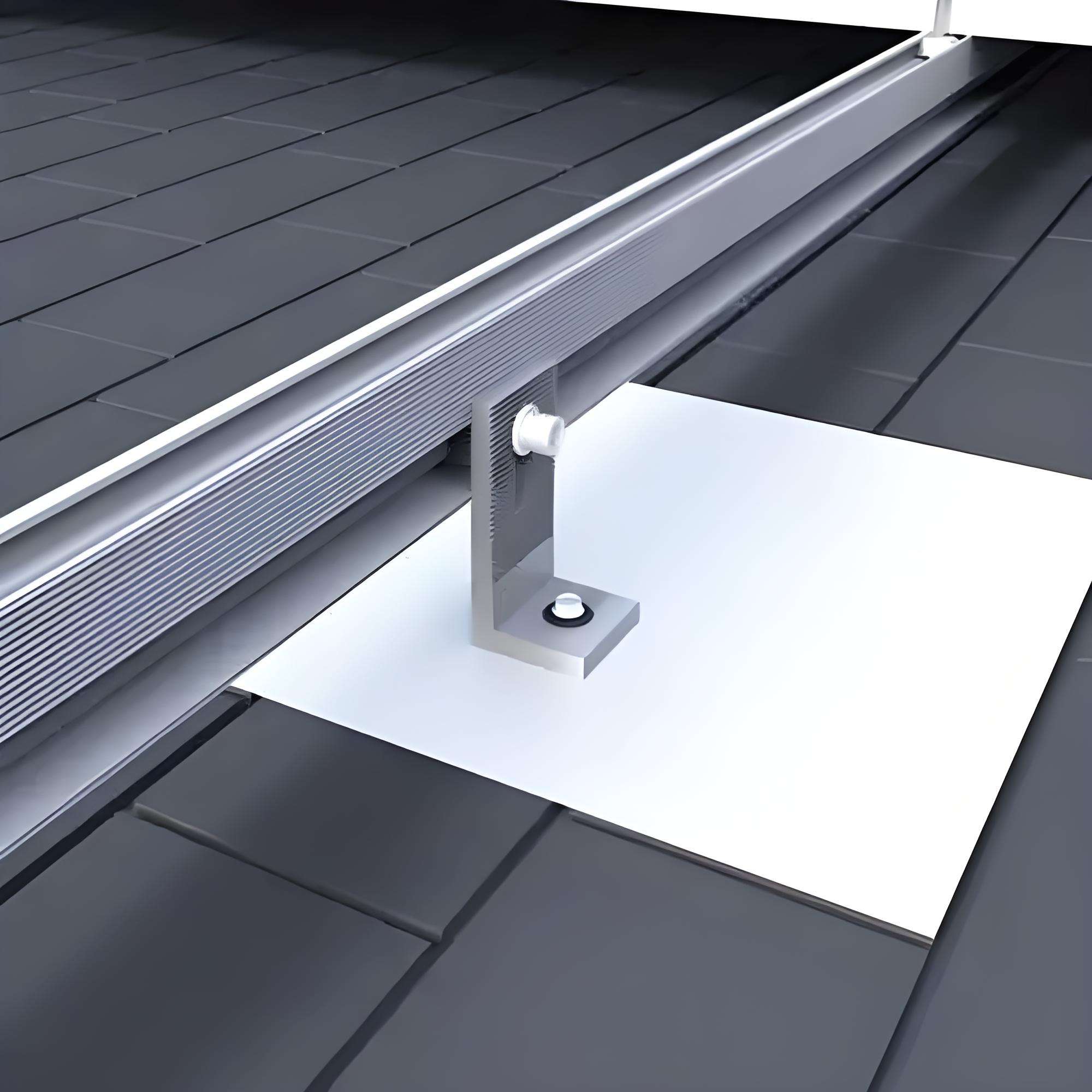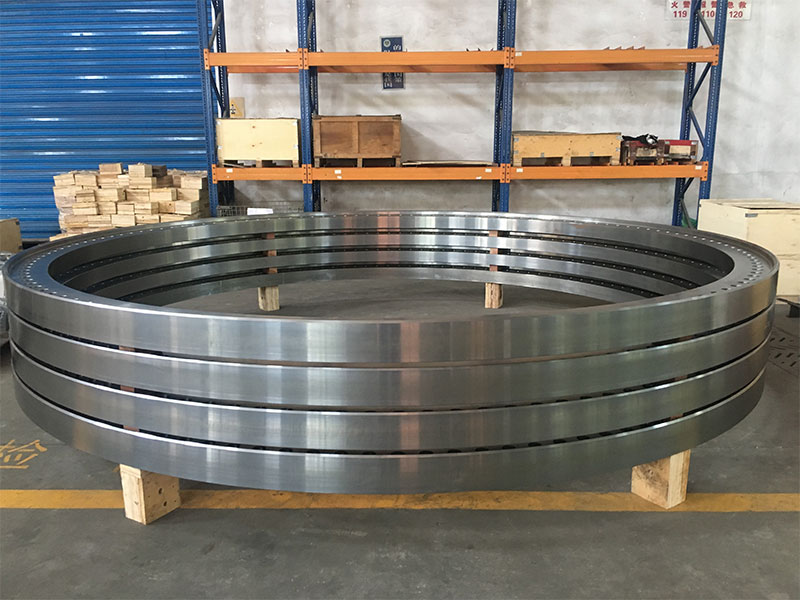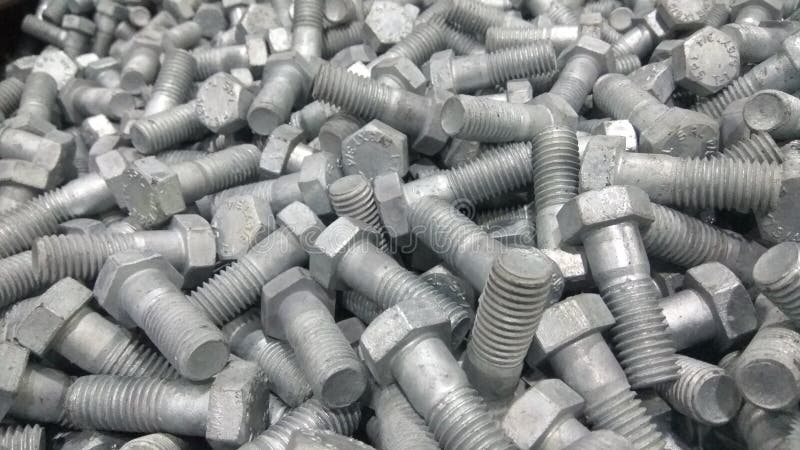
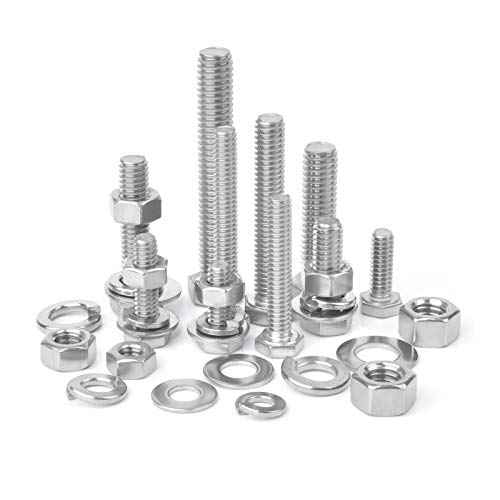
A coastal solar plant on a reclaimed waterfront, a floating photovoltaic array on a reservoir exposed to salt-laden wind, an onshore wind farm three kilometres from the tide line — these projects share one structural detail that is too often treated as a commodity: the fasteners. On a C5-M coast, a standard zinc-plated 8.8 bolt can be expected to chalk, rust and typically need replacement well inside the design life — often within a few years — unless the coating is touched up on a scheduled cycle. Even a 304 (A2) stainless bolt can pit and crevice-corrode once airborne chloride and dew combine on the washer face. For the exterior atmospheric hardware on these renewable assets, the usual default answer is 316L stainless, property class A4-80 — though the correct material varies by exposure zone: C5-M atmosphere, splash zone and continuous immersion each call for a different corrosion margin, and splash or submerged positions generally move to duplex 2205 or super duplex rather than 316L.
This guide is written for EPC contractors, mounting-system suppliers and project engineers building offshore and coastal renewable energy across Europe, the Middle East, Southeast Asia and Australia. It explains what A4-80 actually means under ISO 3506, where 316L is the right choice versus a galvanized or duplex alternative, why the low-carbon "L" matters on welded coastal hardware, and the documentation and RFQ dimensions you need before ordering a coastal solar or wind fastener package.
WF Fastener manufactures A4-70 and A4-80 (UNS S31603) bolts, nuts, washers, clamps and custom mounting fasteners to ISO 3506 and EN standards, for PV tracking systems, floating solar platforms, coastal wind tower exterior hardware and BESS enclosures in corrosive coastal atmospheres.
For the broader renewable fastener range across solar, wind and storage, start at our renewable energy fastener manufacturing center.
WF Fastener A4-80 / 316L Quick Reference
- Material: 316L / UNS S31603 / EN 1.4404 / X2CrNiMo17-12-2
- Property class: A4-70 (cold-worked), A4-80 (higher cold-worked) per ISO 3506-1
- Nuts: A4-70 / A4-80 property class per ISO 3506-2, matched to bolt
- US fastener-product references: ASTM F593 (bolts), ASTM F594 (nuts) where US compliance is called up
- Corrosion environment: ISO 12944 C5-M marine atmospheric; splash zone with design review
- Tensile (A4-80): min 800 MPa; yield Rp0.2 min 600 MPa
- Tensile (A4-70): min 700 MPa; yield Rp0.2 min 450 MPa
- Carbon content: ≤ 0.030% (low L grade for welded assemblies)
- Documentation: EN 10204 3.1 standard; material declarations per lot
- Thread systems: metric ISO 6g/6H per drawing; custom on request
1. What A4-80 Actually Means Under ISO 3506
Stainless steel fastener grading in Europe and ISO-based projects is not "316 bolt" on a drawing and nothing more. The property class tells you the mechanical condition, and the material grade tells you the corrosion chemistry.
Under ISO 3506-1 (stainless steel bolts, screws and studs) and ISO 3506-2 (nuts):
- The A4 prefix identifies the austenitic 316-family material (chromium-nickel-molybdenum). A2 is the 304 family.
- The number after the dash is 1/100 of the minimum tensile strength in MPa. So A4-70 means a minimum tensile of 700 MPa; A4-80 means 800 MPa.
- A4-50 and A4-60 are soft, annealed or lightly worked. A4-70 is the standard cold-worked hardware grade. A4-80 is the higher cold-worked grade, used where clamp load matters and the joint is sized for austenitic rather than alloy-steel strength.
| Property class | Min. tensile (MPa) | Min. yield Rp0.2 (MPa) | Typical condition |
|---|---|---|---|
| A4-50 | 500 | 210 | Annealed, soft |
| A4-60 | 600 | 300 | Lightly cold worked |
| A4-70 | 700 | 450 | Cold drawn / worked |
| A4-80 | 800 | 600 | Heavier cold work (cold-work condition) |
A common procurement mistake is to read "316 bolt" and assume any strength. A soft annealed 316 bolt at A4-50 is roughly half the clamp load of an A4-80 bolt of the same diameter. If the mounting-system drawing calls for A4-80, that condition is part of the specification — not a preference.
For US-based projects, the ISO 3506 property-class system maps onto the ASTM stainless fastener-product standards: ASTM F593 covers the finished bolts, screws and studs (with alloy designations e.g. F593 316/316L), and ASTM F594 covers the nuts. Where a US spec is invoked, F593/F594 should be cited alongside the UNS grade rather than relying on the ISO class number alone.
For the lower-carbon "L" distinction: 316L (1.4404) holds carbon at ≤ 0.030%, which reduces carbide precipitation at the weld heat-affected zone. Where coastal mounting brackets are welded on site or where corrosion service is aggressive, the L grade is the default; 316 (1.4401) is acceptable for non-welded hardware but is increasingly replaced by 316L on renewable BOMs.
2. Why 316L for Offshore and Coastal Renewable Hardware
A coastal atmosphere is not just "slightly damp." ISO 12944-2 classifies it as C5-M: high salinity, frequent salt spray, dew cycles, and in the Gulf and Southeast Asian climates, elevated metal temperatures that accelerate pitting.
Three mechanisms drive fastener selection in this environment:
Pitting and crevice corrosion. Without molybdenum, austenitic stainless steel relies on chromium alone for passivation. 304 (A2) has no molybdenum and pits readily in chloride. 316 adds roughly 2–2.5% Mo, which lifts pitting resistance to a PREN of about 24 — enough for C5-M atmospheric and light splash exposure, but that PREN margin applies to atmospheric service only; it is not sufficient for continuous seawater immersion, where 316L is marginal and duplex 2205 or super duplex 2507 is normally required.
Chloride stress corrosion cracking. At metal temperatures above about 60–70 °C, austenitic stainless can suffer chloride SCC. A coastal PV rail in a Gulf summer can reach those surface temperatures. 316L is more resistant than 304, but where the design pushes past ~70 °C or continuous immersion, the specification moves to duplex 2205 or super duplex — a decision worth making at the drawing stage rather than after a field failure.
Galvanic compatibility. PV mounting is largely aluminium rails on steel or concrete. Stainless fasteners against aluminium extrusions in a salt atmosphere are workable, but isolation washers, torque-rated contact grease and correct clamping sequences matter. The wrong combination creates a galvanic cell at the clamp.
For floating PV specifically, the fastener sits above the waterline but in continuous humidity, salt mist and splash. The module clamp, rail splice and buoy-to-frame bolts are exposed to the same C5-M class as a coastal tower exterior. Zinc-plated hardware is not an option; hot-dip galvanized steel is acceptable on larger coastal structural brackets but chalks and scours under salt wind, and cannot match a 25-year design life without coating maintenance.
3. Where A4-80 Sits on the Renewable Material Ladder
Not every bolt on a coastal solar or wind farm needs to be 316L. The art is putting the right material on the right joint.
| Position | Typical fastener | Why |
|---|---|---|
| Module mid/end clamps to rail | A4-70 / A4-80 M8–M10 | Exterior, salt exposure, re-torque at commissioning |
| Rail-to-purlin / rail splice bolts | A4-70 M10–M12 | Structural, vibration from wind tracking |
| Coastal BESS enclosure skin and anchors | A4-70 M12–M16 | C5-M exterior; no zinc fume in fire zone |
| Floating PV frame-to-float bolts | A4-70 / A4-80 M10–M12 | Constant humidity and splash |
| Wind tower exterior walkway / platform bolts | A4-70 M12–M16 | Coastal C5-M atmosphere |
| Wind tower flange primary structural bolting | 10.9 alloy steel, zinc-flake coated | High clamp load; 316 is not strong enough |
| Foundation anchors to concrete | 8.8 / 10.9 HDG or epoxy-coated | Structural strength; 316 cannot replace |
| Internal inland plant rack bolts | HDG 8.8 / 10.9 | C3 environment; cost-optimized |
The key engineering point: A4-80 is not a drop-in replacement for a 10.9 structural bolt. Even at 800 MPa tensile, 316L has lower yield than a 10.9 alloy steel bolt (900 MPa yield) and is not hardened for slip-critical structural joints. Tower flanges, foundation anchors and primary load-path structural connections stay on alloy steel. A4-80 belongs on the exterior, corrosion-exposed, accessible hardware where strength is moderate but corrosion life is the controlling factor.
For BESS and containerised storage in coastal locations, see our BESS rack and battery cabinet fasteners guide, which covers the C4/C5 split between HDG and A4 on the same plant. For the high-strength alloy steel side of the wind farm, see our wind turbine foundation anchor bolt guide.
4. Galling, Anti-Seize and Assembly Reality
Stainless on stainless is the classic galling event. A dry A4 bolt into an A4 nut, tightened to the torque table, can seize and tear the thread before reaching clamp load. On a coastal PV roof with thousands of clamps, seized bolts cost hours of rework.
Practical rules for assembly:
- Use a suitable anti-seize or assembly lubricant compatible with 316 and with the PV rail coating (avoid copper-based compounds where they could stain aluminium or create unintended galvanic paths).
- Re-run the torque calculation with the actual friction coefficient. The K-factor changes when threads are lubricated; a dry torque value on a lubricated bolt over-tightens.
- Do not mix A2 and A4 nuts on A4 bolts. Use matched property classes per ISO 3506-2.
- Mark tightened joints with a paint witness pen. On a coastal array, witness marks are the cheapest re-torque audit tool available.
- Re-torque at 3–6 months after installation, then annually. Stainless settles, and coastal thermal cycling accelerates relaxation.
For a deeper treatment of locking and vibration on renewable hardware, see our guide to lock nuts and washers for vibration-prone joints.
5. Manufacturing and Quality at WF Fastener
A4-80 fasteners are cold drawn from 316L wire or bar and headed, threaded and heat-controlled to the ISO 3506 property class. The production control points that matter on a coastal job are:
- Mill chemistry traceability. Each heat of 316L bar or wire arrives with a mill certificate confirming Cr, Ni, Mo and the ≤ 0.030% carbon limit. We record the heat number and retain the certificate.
- Cold-work control. Reaching A4-80 requires a controlled amount of cold work; too little and the bolt lands at A4-70, too much and ductility drops. Tensile and yield are tested per lot.
- Thread rolling. Threads are rolled after heading for fatigue resistance, with GO/NO-GO gauge inspection on each batch.
- Passivation. Exterior-facing 316L is passivated to restore the chromium-rich surface film after machining or cutting.
- Dimensional and visual inspection. Thread class, head markings (A4-80 stamped on the bolt), surface condition and packing are checked before release.
- EN 10204 3.1 documentation. For structural and safety-relevant fasteners, the mill certificate accompanies the batch. For non-structural cosmetic hardware, a material declaration is usually sufficient.
We run cold heading, CNC machining and thread rolling for renewable hardware from M6 to M24 in stainless A2 and A4, and we consolidate mixed-material BOMs — A4 clamps, HDG anchors, zinc-flake wind bolts — into one shipment with certificates bundled by mounting bay or by container.
6. RFQ Dimensions and Supplier Evaluation Card
A useful coastal solar or wind fastener RFQ should pin down the following, because "316 bolts" alone will return quotes for different products:
- Material and class: 316L / 1.4404 / UNS S31603, property class A4-70 or A4-80 per ISO 3506-1. State which.
- Product and size: hex bolt, flange bolt, set screw, clamp bolt, nut, washer; M-size and length; thread pitch and class (e.g. M10 × 25, 6g).
- Application and corrosivity: C4 or C5-M; floating PV splash zone; coastal wind atmosphere. This drives passivation and finishing requirements.
- Quantity per size and per mounting bay: PV and wind BOMs rarely order one size; give the full line list.
- Nut and washer matching: nuts to ISO 3506-2 same property class; washers to EN ISO 7089/7090 or drawing.
- Marking: A4-80 stamp on bolt heads; lot or heat number traceability.
- Documents: EN 10204 3.1 for structural positions; material declaration for non-structural.
- Packing and delivery: seaworthy export packing, consolidated container to destination port.
Supplier Evaluation Card
| Dimension | What to verify | Why it matters |
|---|---|---|
| Material traceability | Mill cert per heat, ≤ 0.030% carbon confirmed, heat number on parts | 304, 316 and 316L look identical; only the cert distinguishes them |
| Property-class control | Tensile and yield tested per lot to ISO 3506-1 | A4-70 and A4-80 are different products at different clamp loads |
| Production capability | Cold heading + thread rolling for metric M6–M24 | Coastal arrays run thousands of identical clamps; volume consistency matters |
| Corrosion finishing | Passivation process, optional electropolishing | Surface finish controls pitting initiation in C5-M |
| Documentation discipline | EN 10204 3.1 per lot, bundled by bay or container | FAT and handover audit stop missing certs |
| Mixed-BOM consolidation | A4 clamps + HDG anchors + zinc-flake wind bolts in one shipment | Fewer vendors means fewer container charges and simpler site receiving |
| MOQ flexibility | Sample kits and small trial batches to multi-MW production runs | Tracker and float-PV suppliers pilot before full deployment |
| Lead-time realism | Standard sizes stocked; custom drawings quoted separately | Coastal project schedules cannot wait on undefined lead times |
| Export experience | Delivery to EU, MENA, SE Asia and Australian renewable sites | Multi-region EPCs need one supplier across markets |
Quick-Reference Specification Table
| Item | Specification |
|---|---|
| Material | 316L / UNS S31603 / EN 1.4404 / X2CrNiMo17-12-2 |
| Family | Austenitic chromium-nickel-molybdenum stainless |
| Property class (bolt) | A4-70 or A4-80 per ISO 3506-1 |
| Property class (nut) | A4-70 / A4-80 per ISO 3506-2, matched to bolt |
| US fastener-product references | ASTM F593 (bolts), ASTM F594 (nuts) where US compliance is called up |
| Carbon | ≤ 0.030% (low-carbon L grade) |
| Tensile (A4-80) | Min 800 MPa |
| Yield Rp0.2 (A4-80) | Min 600 MPa |
| Tensile / yield (A4-70) | Min 700 MPa / 450 MPa |
| Corrosion class | ISO 12944 C5-M marine atmospheric |
| Thread systems | Metric ISO, 6g / 6H per drawing |
| Typical products | Module clamps, rail bolts, nuts, washers, custom turned parts |
| Assembly | Stainless-compatible anti-seize; controlled torque; witness marks |
| Applications | Offshore/floating PV, coastal wind, coastal BESS, walkway hardware |
| Documentation | EN 10204 3.1 per lot; material declarations; heat traceability |
Related Guides
- Renewable Energy Fastener Manufacturing Center
- BESS Rack and Battery Cabinet Fasteners Guide
- Wind Turbine Foundation Anchor Bolts: Design, Grouting and Torque
- Solar PV Mounting Fasteners: Roof, Ground and Rail Systems
- Hot-Dip Galvanized Fasteners to ISO 1461
- Lock Nuts and Washers for Vibration-Prone Joints
FAQ
What does A4-80 mean on a stainless bolt?
Under ISO 3506-1, A4 identifies the 316-family austenitic stainless, and 80 denotes a minimum tensile strength of 800 MPa (yield around 600 MPa). It is the higher cold-worked property class, above A4-70, used where the joint needs more clamp load than standard 316 hardware provides.
Is 316L the same as 316?
Very close, but not identical. 316L (1.4404) has lower carbon, capped at 0.030%, which reduces carbide precipitation in the weld heat-affected zone. For coastal and welded hardware, 316L is the default; 316 (1.4401) is acceptable for non-welded parts but is increasingly replaced by the L grade on renewable BOMs.
Can I replace a 10.9 wind flange bolt with A4-80?
No. A4-80 reaches 800 MPa tensile, which is below a 10.9 alloy steel bolt (1040 MPa tensile, 940 MPa yield). Primary wind tower flanges, foundation anchors and slip-critical structural joints stay on heat-treated alloy steel with zinc-flake or HDG coating. Use A4-80 on exterior, corrosion-exposed, accessible hardware where strength is moderate.
Is 316L enough for continuous seawater immersion?
For atmospheric C5-M splash and spray, yes. For continuous immersion or high-velocity seawater, 316L is marginal and the specification typically moves to super duplex 2507 or nickel alloys. Floating PV hardware sits above the waterline in humidity and splash, where 316L is the established choice; submerged chain or mooring components need their own material review.
Do A4 stainless bolts need anti-seize?
Yes. Stainless galles when identical surfaces slide under load. Dry-assembled A4 bolts into A4 nuts can seize and tear threads. Use a stainless-compatible assembly lubricant, re-calculate torque with the actual friction coefficient, and mark tightened joints.
What certificates come with a coastal solar fastener batch?
Structural and safety-relevant fasteners ship with EN 10204 3.1 mill certificates stating heat number, chemistry, property class and test results. Non-structural cosmetic hardware typically ships with a material declaration. We bundle certificates by mounting bay or container for FAT and handover.
How does A4-80 compare with Zn-Al-Mg coated carbon steel for solar?
Zn-Al-Mg coated carbon steel is cost-competitive on inland and C3/C4 sites and can be supplied at 8.8/10.9 strength. On C5-M coastal and floating-PV positions, 316L A4 avoids the coating-scratch and touch-up problem and is generally expected to approach the 25-year design life without re-coating, subject to routine inspection and the specific splash and immersion zone. Many projects use Zn-Al-Mg on inland rails and A4-80 on coastal splash-exposed hardware.
Request an A4-80 Coastal Fastener Pack
Send your PV or wind BOM, the site corrosivity class (C4 / C5-M), and the documentation level required. Our engineering team will confirm which positions belong on A4-70, which on A4-80, and which should stay on alloy steel, before you release the long-form RFQ.
We manufacture and supply metric stainless hardware from M6 to M24, consolidate mixed coastal BOMs (A4 clamps, HDG anchors, zinc-flake wind bolts) into one shipment, and issue EN 10204 3.1 documentation bundled by bay or container for FAT and handover.
Engineering support: engineering@wffastener.com
Include the mounting layout or BOM in your message, and we will come back with a line-by-line proposal, lead time and certificate pack.